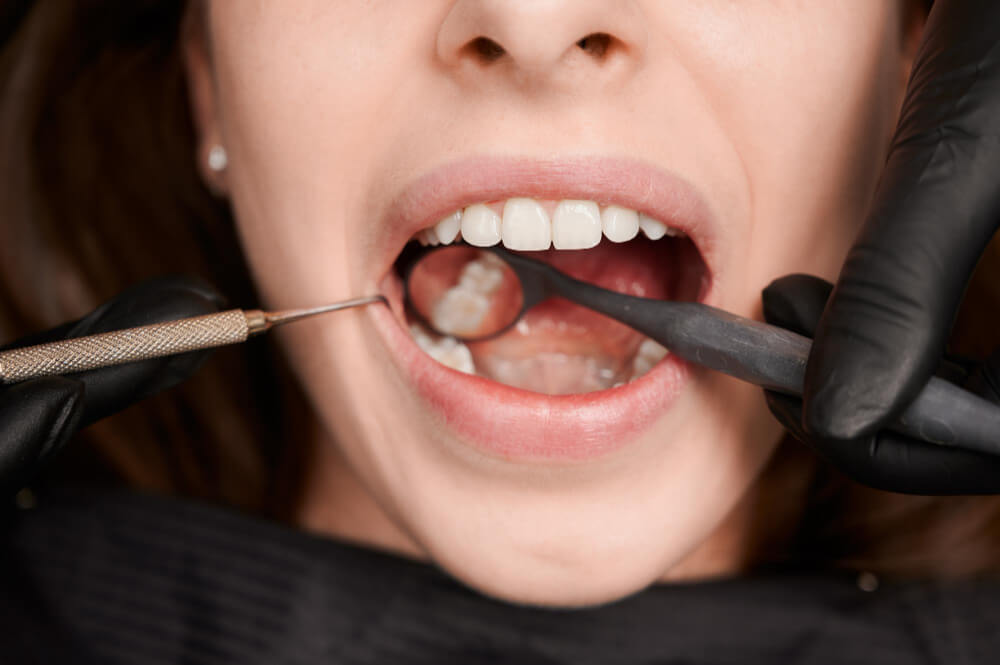
If your temporary crown fell off on a weekend or after office hours, save it, avoid chewing on that tooth, and contact the dentist who placed it for guidance. Without significant symptoms, a lost temporary crown generally needs dental care rather than a hospital visit. Severe pain, swelling, injury, or trouble breathing or swallowing changes the urgency.
Knowing how to protect the affected tooth and when to seek dental care can help prevent further complications. Dental Artistry in Bend, OR, provides emergency dentistry for patients with urgent dental needs, offering guidance to help them understand their next steps and determine when prompt evaluation is necessary.
Key Takeaway: Your symptoms and the tooth's condition, not simply whether the office is closed, determine how urgently you need care. Protect the tooth and contact your treating dentist promptly, using the warning signs below to decide whether you need urgent dental or emergency medical help.
Table of Contents
A temporary crown protects a prepared tooth while the final crown is being made or treatment is completed. Losing that covering can expose sensitive tooth structure and leave the tooth more vulnerable to damage. Report the loss rather than waiting until your permanent-crown appointment.
Watch Out: Avoid household adhesives and do not force the crown back onto the tooth. Do not attempt home re-cementing: an incorrect fit can affect your bite or leave the crown loose enough to swallow or inhale.
Pain alone does not reveal the condition of the tooth. A tooth that has had root canal treatment may have little sensitivity but still needs protection and assessment.
|
What You Notice |
Appropriate Next Step |
|---|---|
|
Crown is off, with no pain or mild sensitivity and no swelling |
Contact the treating dentist promptly for guidance and scheduling; do not assume it is safe to wait until the final-crown visit. |
|
Severe, persistent, or worsening pain; localized swelling; pus or a bad taste; or a broken tooth |
Seek urgent dental assessment through the office's after-hours process or another urgent dental service. |
|
Fever with facial swelling, rapidly increasing swelling, or difficulty opening your mouth |
Seek urgent in-person care. If dental care is unavailable, seek medical evaluation, especially if you feel unwell. |
|
Trouble breathing or swallowing, swelling toward the neck or eye, uncontrolled bleeding, or a major facial injury |
Seek emergency medical care immediately; call 911 for breathing difficulty or another immediate threat. |
If the crown disappears and you develop persistent coughing or wheezing, seek urgent medical assessment because it may have entered the airway. Choking or trouble breathing requires immediate emergency help. If you believe you swallowed the crown without breathing symptoms, contact a healthcare professional for guidance rather than assuming no follow-up is needed.
Start with the treating dentist because that team knows the tooth preparation, treatment stage, and planned restoration. An after-hours contact process does not necessarily mean the practice is open or can see you immediately.
Leave a callback number and explain:
You could say: “My temporary crown came off this evening. I have it in a container, and I have cold sensitivity but no swelling. What should I do, and when should the tooth be assessed?”
If you cannot reach the office, urgent dental care may be an option, particularly if symptoms are significant or worsening. Do not wait for a callback if you develop emergency warning signs. A hospital emergency department can assess serious medical complications, but it generally does not replace dental crown repair.
Pro Tip: Before visiting another office, ask 3 questions: Can you assess a lost temporary crown, what records should I bring, and what examination or after-hours fees may apply? If you have dental insurance, confirm benefits and network status with the office and insurer rather than assuming the visit is covered.
Temporary crowns usually use cement intended to allow later removal. Sticky foods, chewing forces, fit problems, or weakened cement can contribute to loosening. A dentist needs to assess the tooth and crown to determine the cause.
Permanent dental crowns are intended for longer-term use, so their loss may raise different concerns, including cement failure, decay, or a tooth or core fracture. Neither type should be dismissed as harmless. A lost temporary crown is not automatically less urgent than a lost permanent one; symptoms and the condition of the tooth matter.
|
Crown Type |
Main Role |
What the Dentist May Need to Check |
|---|---|---|
|
Temporary crown |
Protects the tooth between treatment stages |
Tooth condition, crown integrity, fit, bite, and timing of the final restoration |
|
Permanent crown |
Provides a longer-term restoration |
Whether the crown and supporting tooth remain sound and whether decay or fracture contributed |
Depending on the findings, the dentist may be able to re-cement the temporary crown or may need to repair or replace it. An examination, and sometimes an X-ray, helps determine a safe approach. A phone call or photograph can help with triage but cannot reliably confirm the crown's fit or the condition of the underlying tooth.
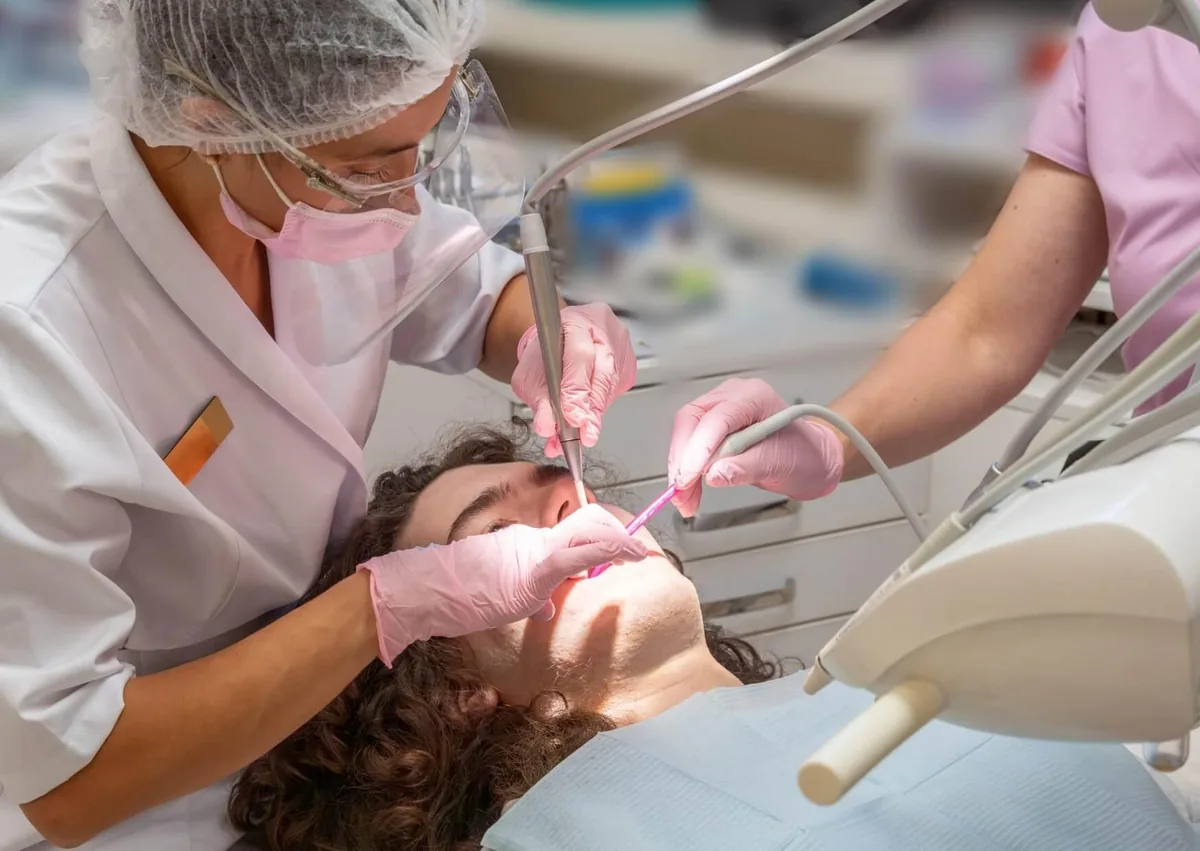
Leaving the tooth uncovered can allow sensitivity, damage, or tooth movement that may affect the final crown's fit. These risks vary, so there is no universal number of days that is safe to wait.
Follow the dental team's timing advice and report new or worsening symptoms. Continue gentle cleaning, soft foods, and chewing on the opposite side while awaiting care.
Once the temporary crown is restored, avoid sticky foods and heavy chewing on that side as directed. Ask the team to demonstrate how to clean around it without dislodging it.
Bring the saved crown and any available treatment information to your visit. An assessment can clarify whether the existing temporary crown is usable and whether your planned final-crown appointment needs to change.
If your temporary crown falls off, do not ignore it or wait until your next scheduled appointment without seeking guidance. Protect the exposed tooth, avoid chewing on that side, and contact a dental professional to determine how soon you need an evaluation.
Dental Artistry provides emergency dentistry in Bend, OR, helping patients address urgent dental concerns and understand their treatment options. Contact us at 541.373.6475 to discuss your dental needs and arrange an appointment.
Possibly, if symptoms are mild and the dental team advises that timing, but do not assume waiting is appropriate. Call for after-hours guidance and protect the tooth. Seek urgent assessment if pain, swelling, fever, or other warning signs develop.
Choose soft foods and chew on the opposite side until you receive dental guidance. Avoid hard or sticky foods and anything that triggers sensitivity.
No. Lack of pain does not rule out damage or the need to protect the tooth, particularly after root canal treatment.
Yes, save it and bring it in a clean container. The dentist can assess whether it is usable and whether any material inside it is cement or part of the underlying tooth.
Dental implant recovery requires protecting the surgical site while your gums heal and the surrounding bone bonds with the implant. Early comfort does not mean the implant is ready for normal chewing, so follow your surgical team’s instructions and use follow-up checks, not pain alone, to guide your return to regular foods and activities.
If you are preparing for implant surgery or have questions about healing, understanding dental implant treatment can help you plan for recovery. Dental Artistry in Bend, OR, can help you understand aftercare instructions and the follow-up checks that guide your return to normal chewing.
Key Takeaway: Your mouth may feel better before your implant can safely handle normal chewing forces. Keep following your aftercare plan and ask your treating team when you can advance your diet and activity.
Table of Contents
An implant needs stability while bone attaches to its surface, a process called osseointegration. Bone healing can take several months, even when the incision looks closed and soreness has eased.
Your recovery depends on the extent of surgery, whether teeth were removed or bone was added, the implant’s initial stability, and your health. Your surgeon should explain the expected stages and what findings will determine when treatment can advance.
|
Stage |
What Is Happening |
What Guides Your Next Step |
|---|---|---|
|
Initial surgical recovery |
The incision begins healing; soreness, swelling, bruising, and mild oozing may occur |
Bleeding control, symptom trends, and postoperative instructions |
|
Gum healing |
Soft tissue closes and becomes less tender |
Examination of the incision and any stitches |
|
Bone integration |
Bone gradually forms a stable connection with the implant |
Clinical assessment and imaging when indicated |
|
Restoration and maintenance |
A final crown or other replacement teeth are fitted when appropriate |
Confirmation that the implant can support the planned biting forces |
These stages can overlap; they are not fixed deadlines. Grafting or other treatment needs may also affect the overall schedule.
Some treatment plans include a temporary tooth or restoration during healing. Its presence does not mean you can chew normally on it; restrictions depend on how it is supported and your surgical plan.
Your written postoperative instructions take priority over general advice. Bone grafting, sinus-related procedures, and different implant techniques may require additional precautions.
Pro Tip: Prepare 3 essentials before surgery: suitable soft foods, your written medication instructions, and the surgical team’s daytime and after-hours contact information. Keep them easy to access when you get home.
Tenderness, swelling, bruising, and lightly blood-tinged saliva can occur after implant surgery. Swelling may become more noticeable before it settles, but symptoms should generally move toward improvement.
Use pain medicine only as directed, and check whether it is appropriate for your medical conditions and other medications. Follow prescribed instructions for prescription medicines and the product label for over-the-counter medicines unless your clinician directs otherwise.
An external cold pack may help early swelling if your clinician recommends it; protect your skin with a cloth barrier. Resting with your head elevated may also help with comfort and oozing.
Watch Out: Contact your surgical team if symptoms worsen after initial improvement or pain remains uncontrolled with the recommended plan. Do not increase medication doses on your own or use pain relief to postpone assessment.
The direction of recovery is often more useful than how the area feels at a single moment. New, worsening, or unexplained symptoms deserve a call, even if a follow-up visit is already scheduled.
Contact your implant clinician promptly for:
If you cannot reach your implant clinician, seek urgent dental care for symptoms that need prompt evaluation.
Seek emergency care for trouble breathing or swallowing, rapidly spreading swelling in the mouth or neck, or heavy uncontrolled bleeding. Call 911 if symptoms threaten your airway or you feel faint or seriously unwell.
Tobacco use can impair wound healing and increase the risk of implant complications. Tell your clinician about smoking, vaping, and other nicotine use so you can discuss a cessation plan rather than guessing when restarting is safe.
Diabetes control, gum health, and teeth grinding can also affect healing or the forces placed on an implant. Share your medication list and relevant medical history, and do not stop prescribed medication without guidance from the prescribing clinician.
Keep pressure off the healing area as instructed, including pressure from a removable denture. If a denture rubs the incision or a temporary tooth feels high when you bite, contact the dental team for an adjustment rather than modifying it yourself.
Attend follow-up visits so your clinician can evaluate tissue healing, implant stability, and readiness for the next treatment stage. Once the restoration is in place, ongoing cleaning and dental checkups remain important for maintaining the implant and surrounding tissues.
Before surgery, explain whether your job involves lifting, prolonged talking, public-facing work, or operating equipment. Sedation and some prescription pain medicines can affect driving and work safety, so arrange transportation and follow your discharge restrictions.
Ask the office these questions before treatment:
Coverage varies by dental or medical plan and by the services involved. When reviewing dental implant insurance, request a written estimate and verify benefits with your insurer; an estimate or predetermination is not a payment guarantee.
Keep your postoperative instructions, medication list, and treatment details available if another clinician needs to evaluate you. Before leaving surgery, make sure you understand what to avoid, how to manage expected symptoms, and when your treating team wants to reassess healing.
If you have questions about implant recovery or follow-up, a consultation can help you understand your next steps. For dental implant treatment in Bend, OR, call Dental Artistry at 541.373.6475 to schedule a complimentary consultation.
Initial gum healing and deeper bone healing follow different schedules, and bone integration can take several months. Your surgeon should estimate each stage based on the procedure, any grafting, and findings at follow-up visits.
You can usually keep the rest of your mouth clean while protecting the surgical area. Follow your clinician’s specific instructions about brushing near the incision, rinsing, and cleaning around a temporary restoration.
Not necessarily, because pain can improve before the implant is ready for normal biting pressure. Continue the recommended food restrictions until your clinician clears you to advance your diet.
Contact your treating clinician promptly and avoid chewing on or testing the area. A loose crown component and movement of the implant itself are different problems, but both require professional evaluation.
A tooth implant usually involves several months of treatment, rather than a single appointment. Your total timeline depends on whether you need tooth removal or bone grafting, how the implant heals, and when it is ready to support the final crown. The placement procedure is only one stage; much of the waiting time allows the implant to bond with your jawbone.
If you are considering dental implants, understanding the stages can help you plan for healing and your final tooth. Dental Artistry in Bend, OR can help you understand the steps and timing involved in your individual treatment.
Key Takeaway: Your implant timeline depends more on preparation and bone healing than on the surgery itself. Ask your dentist for a staged plan that explains your healing checkpoints, temporary tooth options, and expected timing for the final crown.
Table of Contents
A dental implant replaces a tooth root, while a crown replaces the visible tooth. A connector called an abutment joins the implant to the crown.
There are three different milestones to plan for: recovering from surgery, allowing the implant to integrate with bone, and receiving the final crown. These do not necessarily happen at the same time, and some treatment stages can overlap.
|
Stage |
What Happens |
Effect on Your Timeline |
|---|---|---|
|
Evaluation and planning |
Examination, imaging, and review of your health and dental history |
Treatment complexity and scheduling determine when surgery can begin |
|
Extraction or bone preparation, if needed |
An unhealthy tooth is removed or bone is added to support the implant |
May require a separate healing phase before placement |
|
Implant placement |
The implant is surgically positioned in the jawbone |
Completes the surgical placement stage, not the entire treatment |
|
Bone integration |
Bone heals against the implant surface, helping stabilize it |
Usually requires months, with timing based on your clinical situation |
|
Abutment and final crown |
The dentist checks the gum tissue, records the tooth position, and fits the restoration |
Adds restorative appointments and any necessary laboratory work |
A straightforward case may move through these stages without additional procedures. A staged bone graft, healing problem, or complex bite can extend treatment, so your estimated completion date should include the conditions that must be met before each next step.
The longest phase is often osseointegration: the process in which bone bonds with the implant surface. The implant needs sufficient stability to withstand the forces placed on it during use.
Your gums may feel better before this deeper healing is complete. Less soreness does not, by itself, mean the implant is ready for a permanent crown or unrestricted chewing.
Your dentist assesses healing and stability before advancing treatment. Loading an implant before it is ready can interfere with integration, which is why the safest timeline depends on clinical findings rather than a fixed calendar date.
An implant needs enough bone in the right position to support a functional, cleanable replacement tooth. If the bone is too thin or lacks sufficient height, grafting may be needed before placement or, in selected cases, during the same procedure.
A tooth extraction does not always require a separate waiting period, but immediate implant placement is not suitable for every socket. The condition of the socket, infection, bone damage, and the ability to achieve initial stability all influence that decision.
Ask whether extraction, grafting, and implant placement can be combined in your case. Combining procedures may reduce separate treatment stages, but it does not eliminate the need for healing.
Active gum disease and other untreated dental problems may need attention before implant surgery. Your dentist can discuss gum disease treatment if needed.
Poorly controlled diabetes, tobacco use, and certain medications or medical treatments can affect healing or change the treatment plan. Share a complete medication list and relevant medical history, including prior head or neck radiation and medications used for osteoporosis or cancer.
Do not stop prescribed medication on your own. Your dentist may need to coordinate treatment with your medical clinician.
Infection, inadequate implant stability, or failure to integrate can require additional treatment and delay the final crown. Your dental team should explain whether a delay reflects expected healing or a problem that needs treatment.
Missed follow-ups, laboratory revisions, and coordination between surgical and restorative offices can also extend the calendar. Keeping appointments and confirming who manages each stage can help prevent avoidable gaps.
Sometimes, but same-day placement and same-day teeth are different treatment decisions. Immediate placement means inserting the implant when the tooth is extracted; immediate restoration means attaching a restoration soon after placement, while immediate loading involves putting it into function.
These approaches require careful case selection, including adequate initial implant stability, suitable bone, and a manageable bite. Clenching or grinding, complex grafting needs, and other risk factors may make a conventional healing approach more appropriate.
A same-day tooth is often temporary, and a temporary crown may be kept out of chewing contact. You still need healing, follow-up care, and an assessment of when the final restoration can be placed.
Watch Out: Before agreeing to “same-day teeth,” clarify 2 points: whether the tooth is temporary or final, and whether you may chew on it. Leaving with a visible tooth does not mean the implant has finished bonding with bone.
Follow the written instructions for your procedure, especially if you had grafting or sedation. Time away from work, exercise restrictions, and driving precautions depend on your surgery and recovery, not the total months needed to complete treatment.
Choose foods that fit your surgeon’s instructions, such as soft eggs, yogurt, or other easy-to-chew options. Avoid hard or sticky foods against the surgical area or temporary restoration until your dental team clears them.
Clean your mouth as directed, including any modified technique around the surgical site. Do not wiggle the implant or repeatedly bite on it to test whether it feels strong.
Contact the treating office promptly for worsening pain or swelling, fever, pus, persistent bleeding, or a loose implant or temporary tooth. Seek emergency care for difficulty breathing or swallowing, rapidly spreading swelling, or uncontrolled bleeding.
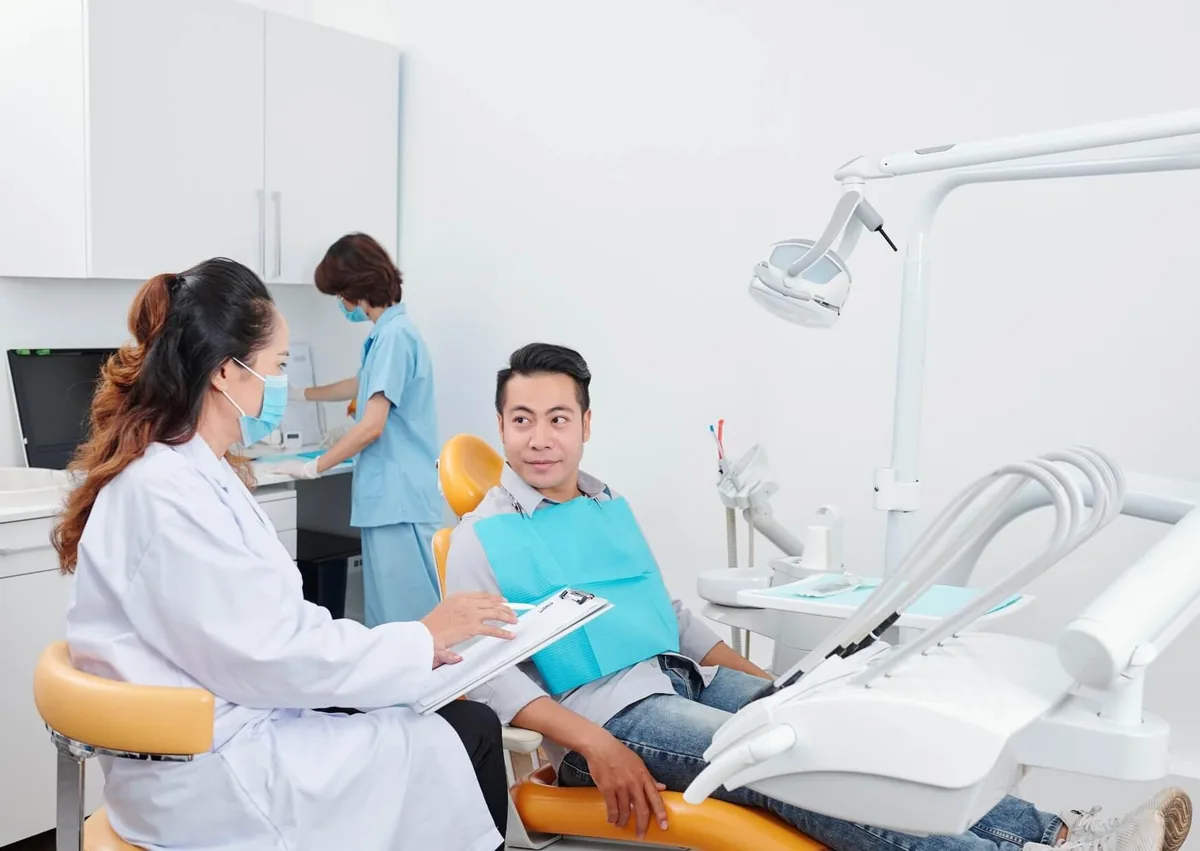
A useful treatment plan includes both clinical milestones and practical arrangements. Before surgery, work through these steps with your dental team:
Fees depend on the procedures, materials, location, and clinicians involved. A single advertised implant price may not represent the complete treatment.
An insurance estimate or predetermination can help with planning, but it does not guarantee payment. Learn more about dental insurance and implants.
Pro Tip: Bring 3 questions to your planning visit: “What must heal before the next stage?”, “What could delay my final crown?”, and “What can I use as a temporary tooth?” These answers help you compare treatment plans without choosing solely by the fastest advertised timeline.
The goal is a stable implant and a replacement tooth that functions well and can be cleaned reliably. Your schedule should explain both the expected completion window and the clinical checkpoints that determine whether treatment can proceed.
A consultation can help you understand your implant treatment stages and expected healing time. To discuss dental implants with Dental Artistry in Bend, OR, call 541.373.6475 to schedule a complimentary consultation.
No. Placement takes place during a surgical appointment, while the overall treatment includes planning, preparation, bone healing, and making the crown. The appointment length depends on the number of implants and whether other procedures are performed.
Not necessarily. Your dentist may offer a temporary replacement, but its design must avoid harmful pressure on the healing implant or graft. Ask about your options before surgery so you know what to expect.
There is no reliable shortcut to bone integration. Following cleaning and diet instructions, avoiding tobacco, managing relevant health conditions, and attending follow-ups can help reduce preventable delays.
A delay does not automatically mean the implant has failed. Ask whether the reason is expected healing, scheduling, or a clinical concern, and what must happen before treatment can move forward.
Dental bonding often suits a small chip, narrow gap, or minor shape correction because it generally costs less upfront and preserves more natural tooth structure. Porcelain veneers may suit broader changes in tooth color and shape, with better stain resistance, but they cost more and usually require permanent enamel removal.
At Dental Artistry in Bend, OR, we provide dental bonding and veneers with personalized guidance to help patients compare their options and determine which treatment best suits their smile goals, needs, and budget.
Key Takeaway: Your choice depends on the correction you need, your bite, your budget, and how much healthy tooth structure treatment would change. Ask your dentist to compare the least invasive suitable option with its likely maintenance and replacement needs.
Table of Contents
Dental bonding uses tooth-colored composite resin that a dentist applies and shapes directly on your tooth. A porcelain veneer is a custom-made ceramic shell bonded to the front surface of a tooth.
Some offices use “composite veneers” to describe resin covering much of a tooth’s front surface. This comparison focuses on direct composite bonding versus porcelain veneers, so confirm which material your treatment proposal includes.
|
Factor |
Composite Bonding |
Porcelain Veneers |
|---|---|---|
|
Best suited to |
Small chips, limited gaps, and localized shape changes |
Broader changes to front-tooth color, shape, or proportions |
|
Tooth preparation |
Often little or no enamel removal |
Usually requires some enamel removal |
|
Appearance |
Can blend well for targeted repairs |
Can provide consistent color and translucency across several teeth |
|
Stain resistance |
More susceptible to surface staining |
Porcelain generally resists staining better |
|
Repair |
Often repairable directly in the mouth |
Damage may require replacement, although some repairs are possible |
|
Cost |
Generally lower upfront |
Generally higher upfront |
|
Treatment logistics |
Often completed without laboratory fabrication |
Usually involves custom fabrication and additional appointments |
The more extensive or expensive option is not automatically the better choice. The goal is to achieve the needed correction while preserving tooth structure and keeping future care manageable.
Bonding is useful for localized concerns, such as a chipped corner or uneven edge. Because the dentist adds and shapes resin directly, treatment may improve the appearance without removing healthy enamel.
Porcelain veneers may be appropriate when several visible teeth need coordinated changes or when discoloration does not respond sufficiently to whitening. Masking a very dark tooth or changing its apparent position may require additional material or preparation, which can make treatment less conservative.
Neither treatment corrects an unhealthy foundation. Your dentist should evaluate decay, gum health, remaining tooth structure, and how your teeth meet before recommending cosmetic work.
Other options may address your concern more directly:
The dentist selects a resin shade, prepares the tooth surface for adhesion, and applies the material. The resin is shaped, hardened with a curing light, and polished, and the dentist checks your bite.
Anesthetic may not be necessary for a purely additive repair, but it may be needed for decay removal or treatment near a sensitive area. Bonding is often described as reversible, but that is not guaranteed: tooth preparation and later resin removal can change the tooth surface.
Veneer treatment begins with an examination and planning, which may include photographs, scans or impressions, and a preview of proposed tooth shapes. The dentist prepares the teeth when needed, records their shape for fabrication, and may place temporary restorations before bonding the final veneers.
Enamel removal is permanent, and a prepared tooth will generally need ongoing coverage with a restoration. “No-prep” or minimal-preparation veneers suit only selected teeth and can look or feel bulky when there is not enough room for added material.
Temporary temperature sensitivity can occur after preparation or placement. Contact your dentist if sensitivity persists, worsens, or occurs with pain when biting, because your bite or another dental problem may need evaluation.
Porcelain generally retains its surface finish and resists staining better than composite resin. Bonding can develop discoloration, wear, or small chips, but it is often easier to polish or repair without replacing the entire restoration.
Veneers can also chip, fracture, or come loose, and natural tooth structure around either restoration can develop decay. How long veneers last depends on factors such as restoration size, bonding conditions, oral hygiene, bite forces, and habits; no lifespan estimate is a guarantee.
The treatment plan matters as well as the material. A larger restoration under heavy bite pressure may require more maintenance than a smaller restoration in a lower-stress area.
Watch Out: Chewing ice and using your teeth to open packaging can damage either restoration. Avoid both habits, and tell your dentist if you clench or grind so they can assess whether a protective appliance is appropriate.
Bonding generally costs less initially because it is shaped directly on the tooth and usually does not require a laboratory-made shell. Veneers generally cost more because of custom fabrication, materials, planning, and clinical work.
An accurate estimate requires an examination and a defined treatment plan. Location, the number of teeth, treatment complexity, and any care needed for decay or gum disease can affect how much veneers cost.
Compare written estimates for the same scope of care, including:
Dental insurance commonly excludes treatment done solely for appearance. If treatment also restores a damaged tooth, benefits depend on the plan’s terms, documentation, and covered alternatives; ask about a pretreatment estimate when available and confirm benefits with your insurer.
A benefit estimate is not a payment guarantee. Compare potential repair and replacement costs as well as the initial fee.
Start with the color and shape changes you want and whether they suit your teeth, gums, and bite, rather than choosing a material first. If several teeth are being changed, ask whether a preview or mock-up can help you assess the proposed appearance before irreversible preparation.
Pro Tip: Before choosing a restoration shade, ask 2 questions: “Would whitening my natural teeth first help?” and “When should the final shade be selected?” Bonding and porcelain do not whiten like natural enamel, so later bleaching can create a mismatch.
After treatment, brush twice daily with fluoride toothpaste and clean between teeth daily. Keep restoration edges clean, use nonabrasive products recommended by your dentist, and attend dental visits at an interval based on your oral health.
Bonding may benefit from professional polishing or localized repair when its surface becomes rough or stained. Porcelain does not need whitening, but its edges and the surrounding teeth still need monitoring for gum inflammation, decay, and changes in fit.
If a restoration chips or feels loose, avoid biting on that tooth and contact your dentist rather than trying to glue it back. Seek prompt dental evaluation for significant pain, swelling, or a sudden bite change.
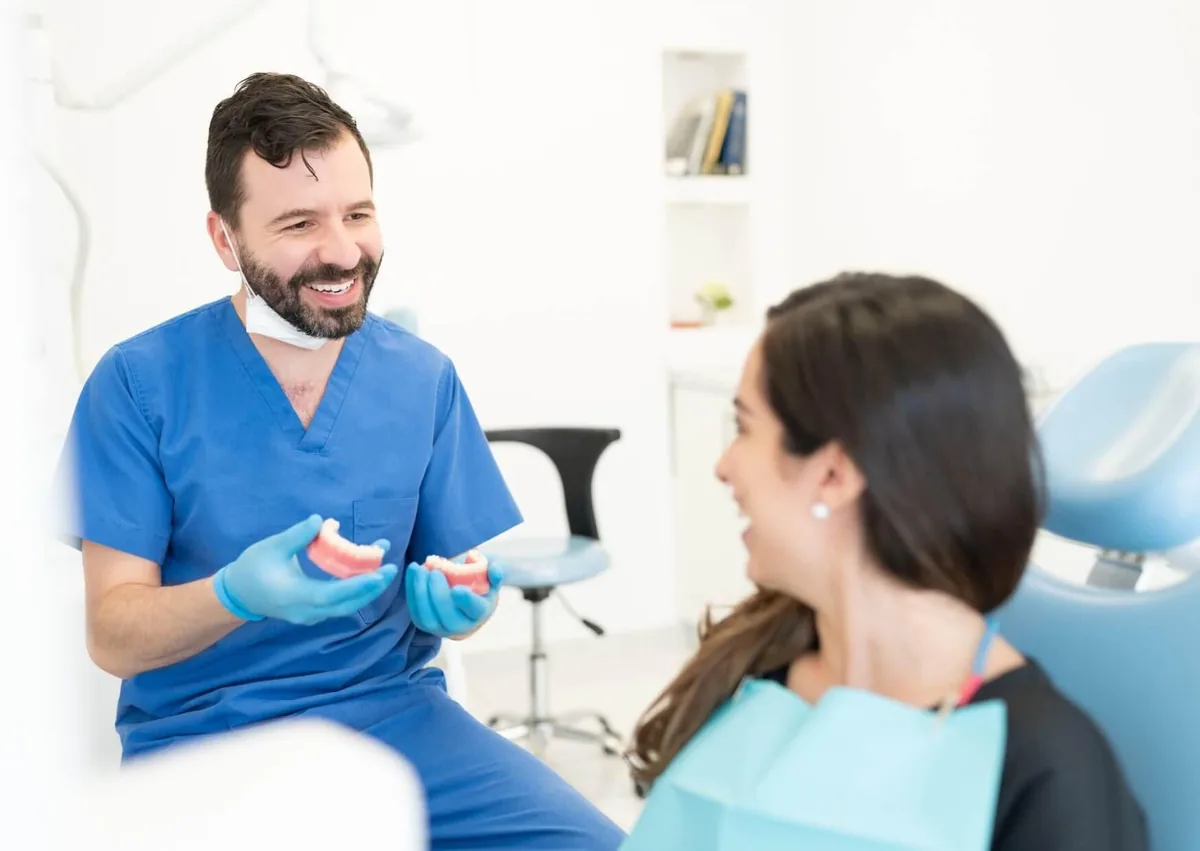
Use your consultation to compare a targeted repair with a more extensive cosmetic plan. Ask the dentist to explain where material would be added, where enamel would be removed, and how your bite affects each option.
Useful questions include:
The most appropriate choice balances tooth preservation, appearance, cost, and ongoing care. An examination-based plan should explain those trade-offs before you commit to permanent changes.
Whether you want to repair a small chip, close a minor gap, or make broader changes to your smile, choosing the right cosmetic treatment starts with understanding your options. Dental bonding and porcelain veneers offer different benefits in terms of appearance, durability, tooth preparation, and cost.
Dental Artistry provides dental bonding and veneers in Bend, OR, with personalized guidance to help patients find an option that aligns with their dental needs and smile goals. Contact us at 541.373.6475 to schedule a consultation.
Bonding is often a conservative option for a small chip when the remaining tooth is healthy and the bite is suitable. A larger fracture, decay, or significant structural weakness may call for a different restoration after evaluation.
Bonding can blend very well with surrounding teeth, especially for small repairs. Porcelain may offer advantages for translucency, stain resistance, and coordinated changes across several teeth, but either material requires careful shade selection and shaping.
A dentist can remove a veneer, but a prepared tooth usually cannot simply return to its untreated state. It will generally need a replacement veneer or another suitable restoration.
It may be possible, but it requires a fresh assessment of enamel, existing resin, tooth health, and bite. Starting with bonding does not guarantee that veneers will be appropriate later.
To clean dental implants, brush twice daily with a soft-bristled toothbrush and clean between the teeth and around the implant restoration every day. Use a low-abrasion toothpaste, choose cleaning tools that fit your restoration, and keep professional maintenance visits. If your implant was recently placed, follow your surgeon’s instructions rather than starting a long-term cleaning routine at the surgical site.
Dental Artistry in Bend, OR, provides dental implants with personalized guidance to help patients maintain their restorations through gentle brushing, effective flossing, and cleaning techniques suited to their specific implants. Our team also helps patients understand the importance of regular maintenance visits and professional care.
Key Takeaway: Your implant cleaning routine should reach both the visible replacement tooth and the spaces near the gumline or beneath a bridge. Ask your dental team to demonstrate which tools fit your restoration and how to use them gently.
Table of Contents
An implant-supported tooth cannot develop a cavity, but the surrounding gums and supporting bone can develop disease. Bacterial plaque collects along the restoration and gumline, including areas a toothbrush may not reach.
Inflammation limited to the soft tissue around an implant is called peri-implant mucositis. Peri-implantitis involves inflammation and loss of supporting bone and requires professional evaluation and treatment.
Bleeding, swelling, or persistent bad breath can signal a problem, but implant disease may cause little pain. Daily cleaning and maintenance visits serve different purposes: home care helps control plaque, while professional care removes hardened deposits and assesses the tissues supporting the implant.
These steps apply to healed implants with restorations in place. Your dentist or hygienist may adapt them to your gum health, hand dexterity, and the spaces around your implant teeth.
For a single implant crown, gently guide floss through the contact between teeth rather than snapping it toward the gum. Curve it against the side of each tooth or restoration and follow your hygienist’s instructions for cleaning near the gumline. Do not force floss deeply into the tissue.
An interdental brush may help when there is enough space beside an implant or beneath a bridge. Have your dental team select its size and design so it can clean without being forced through a tight opening or scraping exposed implant components.
A water flosser can help remove food debris and disrupt plaque in areas that are difficult to access. It may be useful around bridges or when string floss is difficult to handle, but it does not replace brushing or professional care.
Use the tip and pressure setting recommended by your dental team, and follow the device instructions. Do not direct a high-pressure stream into a healing surgical site.
Pro Tip: Bring your cleaning tools to a maintenance visit and practice 2 tasks: cleaning the implant gumline and reaching beneath any connected replacement teeth. Let your hygienist check your access and pressure before you repeat the technique at home.
The best cleaning method depends on the restoration’s design. A single crown, fixed bridge, and removable overdenture have different surfaces and spaces to clean.
|
Restoration |
Main Cleaning Challenge |
Useful Approach |
|---|---|---|
|
Single implant crown |
Plaque at the gumline and between neighboring teeth |
Brush gently and use floss or an appropriately fitted interdental tool |
|
Implant-supported bridge |
Reaching beneath connected replacement teeth |
Use a floss threader, suitable interdental brush, or recommended water-flosser tip |
|
Fixed full-arch restoration |
Cleaning beneath the arch and around support areas |
Follow a demonstrated combination of brushes and interdental tools |
|
Removable implant overdenture |
Cleaning both the appliance and exposed attachments |
Remove as instructed and clean the denture and attachments separately with recommended products |
Do not try to unscrew or remove a fixed bridge yourself. If a recommended tool cannot pass beneath it, ask your dentist to assess cleaning access rather than pushing harder.
For removable overdentures, ordinary toothpaste may scratch some denture materials. Follow the appliance-specific cleaning and storage instructions, and confirm which cleanser is safe for its attachments.
A soft brush and gentle technique are more appropriate than aggressive scrubbing. Avoid charcoal powders and highly abrasive whitening products unless your dentist confirms they are suitable for your restoration.
An ingredient name alone does not reliably indicate a toothpaste’s abrasiveness. Baking soda, for example, does not automatically make a formulated toothpaste unsuitable; the complete product and your restoration material matter.
Mouthwash does not replace physically removing plaque. Use a prescription rinse only as directed, and ask whether an over-the-counter rinse would benefit your situation.
Watch Out: Avoid 2 damaging shortcuts: scraping around implants with metal picks and cleaning restorations with household chemicals. Use cleaning tools and products recommended for your implant restoration instead.
A newly placed implant, healing cap, or temporary restoration may need a different cleaning approach. Your surgical instructions should explain where brushing is allowed, whether to use a rinse, and when to resume interdental cleaning.
Do not brush directly over an incision or introduce floss, interdental brushes, or a water flosser at the surgical site without clearance. If instructions are missing or unclear, contact the surgical office before changing your routine.
Your dental team should recommend a maintenance schedule based on your gum health, plaque control, history of periodontal disease, and restoration design. Visits may include checking the gums, bite, and restoration, removing deposits with suitable instruments, and taking X-rays when clinically indicated. Ask how professional teeth cleaning fits into your implant maintenance plan.
If you have dental insurance, ask the office and insurer how maintenance, examinations, and any needed imaging are covered. Dental implant insurance coverage and out-of-pocket costs vary, and a routine cleaning benefit may not cover every service your implant needs.
Arrange a dental evaluation for:
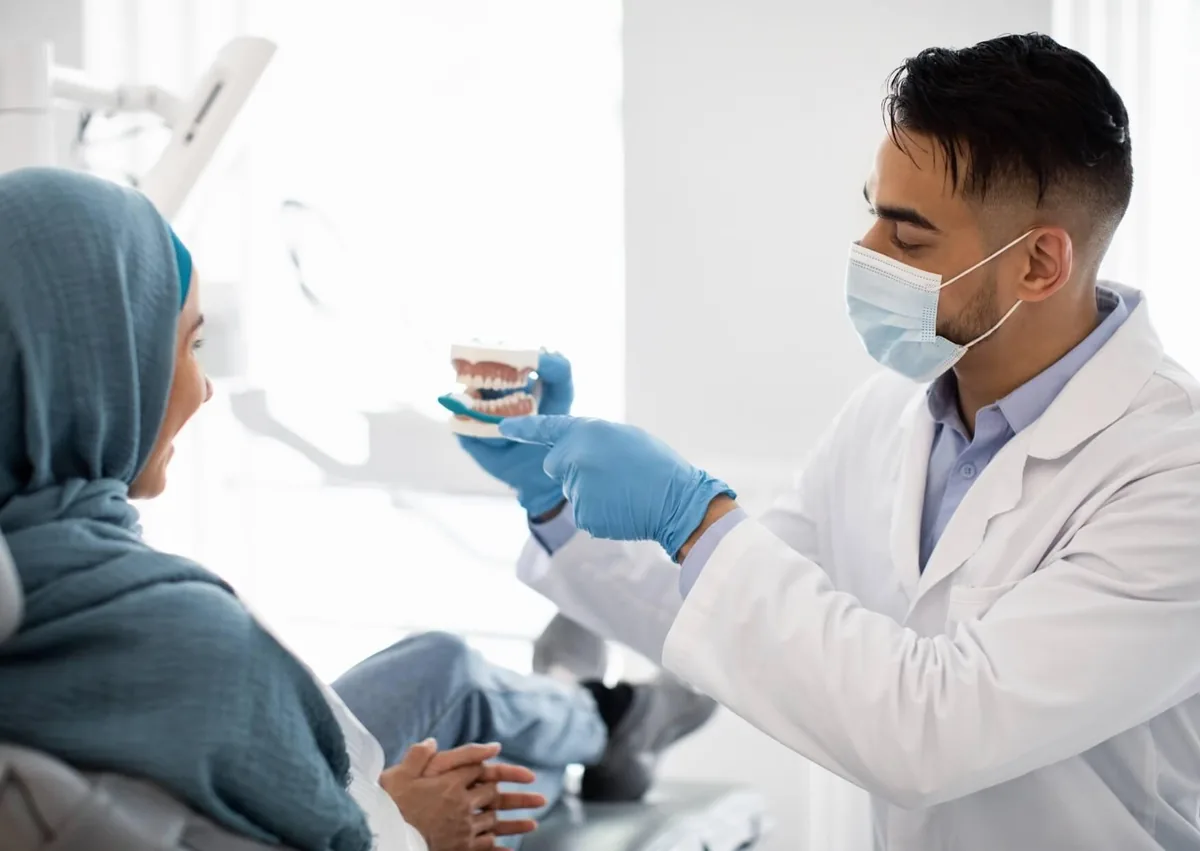
A loose restoration needs prompt attention even if it does not hurt. Seek urgent dental care for rapidly increasing swelling, fever with dental symptoms, or severe worsening pain. Difficulty breathing or swallowing requires emergency medical care.
Use maintenance visits to review any areas you cannot clean comfortably. A routine you can perform consistently is more useful than collecting products you cannot use effectively.
Keeping dental implants healthy requires consistent home care and routine professional maintenance. Brushing gently, cleaning around your implant restoration with the right tools, and attending regular dental visits can help manage plaque and protect the surrounding gums and supporting bone.
Dental Artistry provides dental implants in Bend, OR, with personalized guidance to help patients develop effective daily cleaning habits and maintain their oral health. Contact us at 541.373.6475 to schedule a consultation.
Yes, an electric toothbrush is generally suitable for healed implant restorations. Use a soft brush head and gentle pressure, and follow separate instructions for any recently treated surgical area.
Fluoride helps protect remaining natural teeth from decay, even though implant crowns cannot get cavities. If all your teeth have been replaced, ask your dentist which cleaning product best suits your restoration materials.
Recurring bleeding should not be ignored or treated as normal. Avoid aggressive cleaning and arrange an evaluation, because inflammation, trapped debris, or another problem may need professional care.
Home care supports treatment but cannot replace professional evaluation and treatment of peri-implantitis. Do not try to scrape deposits away or manage persistent symptoms with mouthwash alone.
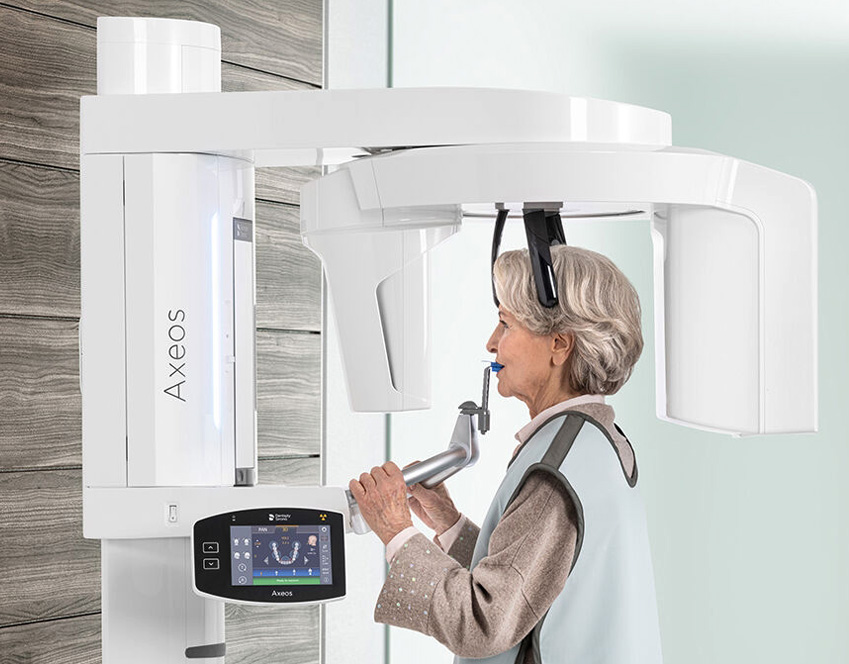
If you've visited the dentist recently, you may have noticed something missing from your X-ray experience: that heavy lead apron. For decades, these protective shields were as routine as the dental chair itself. But in 2024, the American Dental Association made a groundbreaking announcement that's changing dental practices nationwide.
In February 2024, the American Dental Association's expert panel officially recommended that dental professionals discontinue the use of lead abdominal aprons and thyroid collars for routine dental X-rays. This wasn't a sudden decision—it was based on years of research and technological advances that have dramatically reduced radiation exposure in modern dental imaging.
The recommendation applies to all patients, including pregnant women and children, marking the end of a practice that has been standard in dentistry for generations.
The primary reason for this change is simple: modern dental X-ray technology has evolved tremendously. Today's digital X-ray systems emit significantly less radiation than their predecessors, making protective shielding unnecessary for patient safety.
Here's what makes modern dental X-rays so much safer:
Digital Technology: Digital sensors require far less radiation than traditional film to produce high-quality images. The exposure time is also much shorter, typically lasting just milliseconds.
Precise Beam Collimation: Modern X-ray machines use highly focused beams that target only the specific area being examined, minimizing scatter radiation to other parts of the body.
Improved Filtration: Advanced filtration systems remove low-energy X-rays that don't contribute to image quality but would otherwise add to patient exposure.
To understand just how minimal dental X-ray radiation has become, it's helpful to compare it to everyday exposures we encounter without a second thought.
A single digital dental X-ray exposes you to approximately 0.005 millisieverts (mSv) of radiation. To put this in perspective:
The threshold for radiation-related health complications is set at 100 milligray (mGy), but dental X-rays expose patients to less than 0.1 mGy—more than 1,000 times below the safety threshold. Even for pregnant women, where fetal safety is paramount, dental X-rays pose essentially zero risk because the fetus is well outside the imaging field and radiation doses remain far below concerning levels.
Modern research has also revealed that lead aprons may actually interfere with image quality in some cases, potentially requiring retakes that would increase overall exposure rather than reduce it.
While the ADA has updated its recommendations, the transition isn't happening uniformly across all states. Some states, like California, still require lead aprons by law, so dental practices must continue using them regardless of the updated guidelines. However, many states are reviewing their regulations in light of the new scientific evidence.
If you're in a state where lead aprons are still required, don't worry—the combination of modern low-dose technology plus the traditional protection provides an extra margin of safety, even though it's no longer considered necessary.
For patients, this change represents several benefits:
Increased Comfort: No more struggling with heavy, uncomfortable lead aprons during X-ray procedures.
Faster Procedures: Without the need to position and adjust protective equipment, X-ray appointments can be more efficient.
Better Image Quality: Eliminating potential interference from lead shields can result in clearer images, reducing the need for retakes.
Evidence-Based Care: You can feel confident knowing your dental care is based on the latest scientific evidence and technology.
The elimination of lead aprons from dental X-rays sends an important message about how far medical imaging technology has advanced. What once required heavy protective equipment now operates at such low radiation levels that additional shielding is simply unnecessary.
This doesn't mean radiation safety has become less important—quite the opposite. It means that modern technology has made procedures so safe that traditional protective measures are now obsolete. Dental professionals continue to follow strict protocols to minimize exposure, including using the lowest possible doses to achieve diagnostic-quality images and avoiding unnecessary X-rays.
As dental technology continues to advance, we can expect even further reductions in radiation exposure. Artificial intelligence is already being integrated into imaging systems to optimize exposure parameters automatically, and new detector technologies promise even greater sensitivity with lower doses.
The retirement of lead aprons from routine dental care marks a significant milestone in the evolution of dental radiography. It's a testament to decades of technological advancement and a commitment to evidence-based practice that prioritizes both safety and patient comfort.
The next time you visit your dentist for X-rays, you might feel lighter without that familiar lead apron—and you can rest assured that you're receiving the safest, most advanced dental care available. Modern dental X-rays truly are safer than eating a banana, and that's not just a fun comparison—it's a remarkable achievement of medical technology.
Living in Bend, Oregon means having access to some of the most spectacular outdoor recreation opportunities in the Pacific Northwest. From the trails of Smith Rock to the extensive network of mountain biking paths, our community thrives on adventure. However, as your trusted dental team at Dental Artistry Implants Crowns Veneers, we want to ensure your outdoor pursuits don't come at the expense of your oral health.
While we encourage staying active in Bend's beautiful landscape, certain outdoor activities can pose unexpected risks to your teeth and gums. Understanding these risks is the first step in protecting your smile during your adventures.
Central Oregon's high desert climate, combined with physical exertion, can quickly lead to dehydration. When you're dehydrated, your mouth produces less saliva, which is crucial for neutralizing acids and washing away bacteria. This creates an environment where cavities and gum disease can flourish.
The Solution: Carry plenty of water and sip regularly throughout your adventure. For longer excursions, consider electrolyte drinks, but be mindful of their sugar content and rinse with water afterward.
Those convenient trail snacks that fuel your hikes and bike rides often contain sticky dried fruits, nuts, and sugars that can cling to your teeth for hours. Dried fruits like raisins and dates are particularly problematic as they stick in the crevices between teeth.
The Solution: Choose fresh fruits when possible, and always rinse your mouth with water after snacking. If you can't brush immediately, chewing sugar-free gum can help stimulate saliva production and remove food particles.
Many cyclists rely heavily on sports drinks during long rides, especially on Bend's challenging terrain. While these drinks replace electrolytes, they're also highly acidic and full of sugar, creating a perfect storm for tooth enamel erosion.
The Solution: Alternate between sports drinks and water, and try to drink through a straw to minimize contact with teeth. After your ride, rinse with water and wait at least 30-60 minutes before brushing to allow your enamel to re-harden.
Intense cycling often leads to mouth breathing, especially at Bend's elevation. This constant airflow dries out your mouth, reducing protective saliva and increasing your risk of dental problems.
The Solution: When possible, breathe through your nose during less intense portions of your ride. Stay well-hydrated before, during, and after cycling.
Mountain biking on Bend's rugged trails carries an inherent risk of falls that could result in dental trauma. A damaged tooth or knocked-out tooth requires immediate attention to save your smile.
The Solution: Always wear a properly fitted helmet, and a sports mouthguard. If you experience dental trauma, contact our office immediately – time is critical for successful treatment.
Multi-day backpacking trips in the Cascade Wilderness mean extended periods without your normal oral hygiene routine. Bacteria can accumulate quickly, leading to plaque buildup and potential gum inflammation.
The Solution: Pack a travel toothbrush and toothpaste for overnight trips. For day hikes, at minimum, rinse with water after eating and consider travel-sized mouthwash for longer excursions.
Higher elevation hikes can affect some people's oral health. The dry air and potential for altitude-related issues can impact your mouth's natural defenses.
The Solution: Increase your water intake at elevation and be extra diligent about oral hygiene during and after high-altitude adventures.
Before heading out on your next Bend outdoor adventure, consider this checklist:
Pack Smart:
Timing Matters:
Despite your best prevention efforts, accidents can happen. If you experience dental trauma during an outdoor activity:
At Dental Artistry Implants Crowns Veneers, we understand that your active lifestyle is an important part of who you are. Our goal is to help you maintain excellent oral health so nothing interferes with your love of Bend's outdoor opportunities.
Regular preventive care becomes even more important when you lead an active lifestyle. Our comprehensive exams can catch small issues before they become big problems that could sideline your adventures.
After a long day on the trails or bike paths, give your mouth some extra attention:
Don't let dental problems keep you from exploring everything Bend has to offer. Whether you need a routine cleaning or want to discuss how your active lifestyle might be affecting your oral health, our team is here to help.
Contact Dental Artistry Implants Crowns Veneers today to schedule your consultation. Let us help you keep your smile as strong and adventurous as your spirit.
Ready to protect your smile during your next outdoor adventure? Call Dental Artistry Implants Crowns Veneers to schedule your appointment and learn more about custom sports protection options designed specifically for Bend's active community.

Look, we get it. Finding a good dentist in Bend Oregon can feel overwhelming when you're scrolling through endless Google results. But here's the thing – not all dental practices are created equal. Some just fix problems. Others create masterpieces.
If you're dealing with missing teeth, cracked crowns, or you've always wanted that movie-star smile, you've landed in the right place. Our dental clinic Bend OR doesn't just treat teeth – we craft smiles that change lives.
When was the last time you smiled without thinking about it? You know, that genuine, carefree laugh that lights up a room? That's what we're after here at our family dentist Bend Oregon practice.
We've seen patients walk through our doors feeling self-conscious about their teeth, and leave a few months later radiating confidence. It's not magic – it's the right combination of skill, technology, and honestly caring about the person behind the smile.
Missing teeth aren't just a cosmetic issue (though that matters too). They mess with your ability to enjoy a good steak dinner or bite into an apple without worry. Dental implants are honestly the closest thing to getting your natural teeth back.
Here's what makes implants different from those old-school dentures your grandparents dealt with:
They're anchored right into your jawbone, so they feel like real teeth. You can eat whatever you want without worrying about slippage or discomfort. Plus, they keep your facial structure from that sunken-in look that happens when you lose teeth.
Our general dentist Bend OR team has placed hundreds of implants, and we've got the technology to make sure everything fits perfectly the first time. No guesswork, no "let's see how this goes" – just precise, predictable results.
Ever seen someone with a crown that looks like a piece of white chiclet gum? Yeah, we've all been there. The difference between a mediocre crown and a great one comes down to artistry and attention to detail.
When you come to our dental office in Bend, we don't just slap a generic crown on your tooth and call it a day. We take time to match the color, shape, and translucency of your natural teeth. The result? Even your dentist friends won't be able to tell which tooth has the crown.
Crowns protect damaged teeth while giving you back the confidence to smile wide. Whether you cracked a tooth on popcorn kernels (we've all been there) or you're dealing with a large filling that's seen better days, a well-crafted crown can make that tooth stronger than it was originally.
Let's be honest – porcelain veneers are probably what you're really curious about. You've seen those dramatic before-and-after photos on social media, and you're wondering if they're too good to be true.
They're not. But here's the catch – veneers are only as good as the dentist placing them.
Veneers can fix a whole laundry list of smile complaints: teeth that are too short, too long, too yellow, too spaced out, or just not quite the right shape. Think of them as a complete smile redesign that works with your natural bone structure and facial features.
The best dentist in Bend Oregon won't just give you cookie-cutter veneers. They'll design something that enhances your unique features and fits your personality. Bold and dramatic? We can do that. Subtle and natural? That's our specialty too.
Walking into most dental offices in Bend Oregon feels like entering a sterile medical facility. That's not the vibe we're going for. We've created a space where you actually want to hang out (well, as much as anyone wants to hang out at the dentist).
But beyond the comfortable environment, what really sets us apart is our approach. We're not trying to rush you through appointments or pressure you into treatment you don't need. We're here to listen to what's bothering you about your smile and figure out the best way to fix it.
Our bend dentistry practice uses some pretty cool tech that makes everything more comfortable and precise. We can take digital impressions (no more gagging on that goopy stuff), plan implant placement with 3D imaging, and even show you what your new smile will look like before we start.
But here's the thing about technology – it's only as good as the person using it. We've invested in training and continuing education to make sure we're getting the most out of every tool and technique.
Our local dentist Bend OR team has helped teachers get their confidence back for the classroom, business professionals nail their presentations, and retirees finally feel comfortable in family photos. Every smile transformation is personal, and every patient has a story.
We're not just treating teeth – we're changing lives. And honestly, that's what gets us excited to come to work every day.
We know that quality dental work is an investment. That's why our affordable dentist Bend Oregon office works with you to create payment plans that fit your budget.
Think of it this way – you'll have your smile for the rest of your life. Isn't it worth investing in something that affects how you feel about yourself every single day?
People often tell us they wished they'd done this sooner. Whether it's implants, crowns, or veneers, the most common thing we hear is, "I can't believe I waited so long to fix this."
The top-rated dentist Bend OR reviews aren't just about our technical skills (though we're pretty proud of those). They're about how we make people feel – heard, comfortable, and confident in their decision.
If you're tired of hiding your smile or dealing with dental problems that affect your daily life, let's talk. Our dental care Bend OR team is here to answer your questions, address your concerns, and help you figure out the best path forward.
We're not going to pressure you into anything. We're just going to give you the facts, show you what's possible, and let you decide what feels right for you.
Your smile is waiting. And honestly, so are we.
Ready to transform your smile? Give our bend dental office a call. Let's create something amazing together.

Are you tired of hiding your smile due to missing teeth or uncomfortable dentures? At Dental Artistry in Bend, Oregon, we offer the revolutionary All-on-X dental implant procedure, also known as "Teeth in a Day" or same-day dental implants. This life-changing treatment can restore your complete smile in just one visit, giving you back the confidence to eat, speak, and smile naturally.
All-on-X is an innovative dental implant technique that replaces a full arch of teeth using strategically placed dental implants. Unlike traditional implant procedures that can take months to complete, the All-on-X system allows patients to receive a complete set of functional teeth in a single day. This revolutionary approach eliminates the lengthy healing periods associated with conventional implant placement while providing immediate results.
The procedure involves placing 4-6 dental implants per arch, which serve as anchors for a custom-designed bridge or denture. This innovative system is designed to immediately replace a full arch of teeth, making restored chewing, speaking, and smiling immediately possible.
Dr. Alexander Smith and Dr. Thomas Spoonster bring decades of collective experience to every All-on-X procedure. As trusted Bend dentists, they are exceptionally trained and skilled in several dental implant techniques, including the advanced Teeth in a Day system. Their expertise ensures optimal results for patients seeking long-lasting and natural-looking dental implants in Bend, Oregon and the surrounding area.
At Dental Artistry, we specialize in implants, crowns, and veneers, making us your comprehensive solution for smile transformation. Our commitment to excellence and patient care has made us the preferred choice for dental implant procedures in Central Oregon.
Unlike traditional dental implants that require multiple visits over several months, All-on-X provides you with a complete set of functional teeth in just one day. You'll leave our office with a restored smile that looks and feels natural.
The All-on-X procedure goes beyond simply replacing missing teeth – it's a complete life transformation. Patients experience improved confidence, better nutrition from being able to eat their favorite foods, and enhanced social interactions.
Say goodbye to the limitations and discomfort of traditional dentures. All-on-X implants are permanently fixed in your mouth, providing the stability and security you need to speak and eat with confidence.
Our custom prosthetic teeth are designed to look and feel like your natural teeth. The result is a beautiful, natural-looking smile that complements your facial features.
Dental implants help preserve your facial structure by preventing bone loss that typically occurs with missing teeth. This helps maintain your youthful appearance for years to come.
The All-on-X dental implant procedure is designed for individuals experiencing:
During your consultation at Dental Artistry, our experienced team will thoroughly assess your oral health and bone structure to determine if All-on-X is the right solution for you. We'll evaluate factors such as bone density, gum health, and your overall medical history to ensure you receive the best possible results.
Don't let missing teeth hold you back from living your best life. The All-on-X procedure at Dental Artistry offers a permanent solution that can restore your smile, confidence, and quality of life in just one day.
Ready to discover the life-changing benefits of All-on-X? Schedule your complimentary consultation with Dr. Alexander Smith and Dr. Thomas Spoonster today. As your trusted Bend, Oregon dentists, we're committed to making smiles and lives better through innovative dental solutions.
Contact Dental Artistry today to embark on your journey to a brighter, more confident you with All-on-X "Teeth in a Day" – because you deserve a smile that changes everything.
Dental Artistry - Your trusted Bend Oregon dentist for implants, crowns, and veneers. Serving Bend and the surrounding Central Oregon area with exceptional dental care and smile transformations.
At Dental Artistry Implants Crowns Veneers, we understand that periodontal disease affects millions of people worldwide, yet many are unaware of the advanced treatment options available today. One groundbreaking procedure that's transforming how dental professionals combat gum disease is Laser Bacterial Reduction (LBR). This innovative, minimally invasive treatment offers hope for patients seeking effective solutions for their periodontal health concerns.
Laser Bacterial Reduction is a cutting-edge dental procedure that utilizes specialized dental lasers to target and eliminate harmful bacteria residing in gum pockets. These pockets, which form between the teeth and gums, serve as breeding grounds for bacteria that contribute to periodontal disease progression.
During the LBR procedure, a dental professional uses a precise laser to decontaminate these hard-to-reach areas, significantly reducing the bacterial load that causes inflammation and gum disease. This targeted approach allows for thorough bacterial elimination without the need for invasive surgical procedures.
Periodontal disease begins as a bacterial infection that damages the soft tissues and bone supporting your teeth. When bacteria in plaque and calculus (hardened plaque) accumulate along the gum line, they irritate the gums, causing inflammation, bleeding, and eventual tissue destruction.
If left untreated, this bacterial infection can progress from gingivitis (early-stage gum disease) to periodontitis (advanced gum disease), potentially leading to tooth loss. The key to successful periodontal treatment lies in effectively controlling and eliminating these harmful bacteria.
The primary benefit of LBR lies in its ability to target the root cause of periodontal inflammation. By eliminating bacteria at their source, LBR helps reduce gum inflammation, providing relief from swelling, redness, and discomfort associated with gum disease.
One of the most significant advantages of LBR is its ability to halt the progression of periodontal disease. By dramatically reducing bacterial populations in gum pockets, this treatment helps prevent gingivitis from advancing to more severe forms of periodontitis that can result in tooth loss.
LBR stimulates the body's natural healing processes, encouraging healthy gum tissue regeneration. This enhanced healing response helps restore damaged periodontal tissues more effectively than traditional treatments alone.
Unlike traditional periodontal surgery, LBR requires no incisions or sutures. This minimally invasive approach results in reduced patient discomfort, minimal bleeding, and faster recovery times, making it an attractive option for patients who may be hesitant about more invasive procedures.
The precision of laser technology allows dental professionals to reach areas that traditional cleaning methods cannot access effectively. This comprehensive approach ensures more thorough bacterial removal, leading to better treatment outcomes.
Patients who undergo LBR typically experience significant improvements in their gum health, including reduced inflammation, decreased bleeding during brushing and flossing, and diminished pocket depths around their teeth.
By effectively controlling bacterial infections, LBR helps preserve the supporting structures of teeth, significantly reducing the risk of tooth loss associated with advanced periodontal disease.
The laser energy used in LBR can stimulate the regeneration of healthy gum tissue, promoting faster and more complete healing compared to conventional treatments.
For many patients, LBR can serve as an effective alternative to more invasive surgical treatments, providing excellent results without the associated risks and extended recovery periods of traditional periodontal surgery.
LBR is particularly beneficial for patients with:
As dental technology continues to advance, Laser Bacterial Reduction represents a significant step forward in periodontal care. This innovative treatment offers patients a comfortable, effective solution for managing gum disease while promoting long-term oral health.
If you're experiencing symptoms of gum disease such as bleeding gums, persistent bad breath, or gum recession, our team of dental hygienists offer this incredible treatment at Dental Artistry Implants Crowns Veneers. With its proven effectiveness and minimal invasiveness, LBR may be the key to restoring your periodontal health and preserving your smile for years to come.
Laser Bacterial Reduction has revolutionized the treatment of periodontal disease by providing a targeted, minimally invasive solution that addresses the bacterial root cause of gum disease. With its ability to reduce inflammation, prevent disease progression, and promote healing, LBR offers hope for millions of patients seeking effective periodontal treatment.
Our team of dental hygienists offer this incredible treatment as part of our comprehensive approach to oral health at Dental Artistry Implants Crowns Veneers. We're committed to providing our patients with the most advanced, comfortable, and effective treatments available. Contact us today to learn more about how Laser Bacterial Reduction can help restore your gum health and protect your smile.